Artificial intelligence is not waiting around anymore. By 2025, it has settled into the internet’s daily routine, reshaping how websites rise or disappear, how people phrase their searches, and how businesses try to stay visible. This phase feels different. Less noise, less hype. More results. You can measure it. You can feel it working, even when you cannot quite see it.
From search rankings to comment moderation, AI hums in the background. Most users never think about it, yet their experience online is shaped by it every single day.
From Simple Automation to Real Intelligence
Earlier AI tools were basically fast helpers. They automated tasks, saved hours, but they did not really understand anything. Today’s systems are cut from a different cloth. They recognize patterns, pick up on intent, and shift their decisions based on how real people behave.
Search engines are the clearest example. They no longer scan pages only for matching words. They try to understand what the user actually wants. That single change explains why so many old-school SEO tricks suddenly stopped working.
The question has changed. It is no longer about whether a keyword appears on a page. It is about whether the page genuinely helps someone solve a problem, maybe even better than the rest.
Why Search Rankings Feel So Different Now
Search engines are sliding into the role of answer machines. AI helps them judge which pages deserve attention by looking at signals like:
- How deeply a topic is explained
- Whether the information is useful outside theory
- How clearly the content is organized
- Whether the site shows real authority on the subject
- How users interact with the page
This shift explains why thin, recycled content keeps losing ground, even when it is perfectly optimized on paper.
Sites that emphasize experience, expertise, and trust are moving faster. New domains are not locked out anymore if they publish consistently strong material.
AI-Powered Search Is Changing Expectations
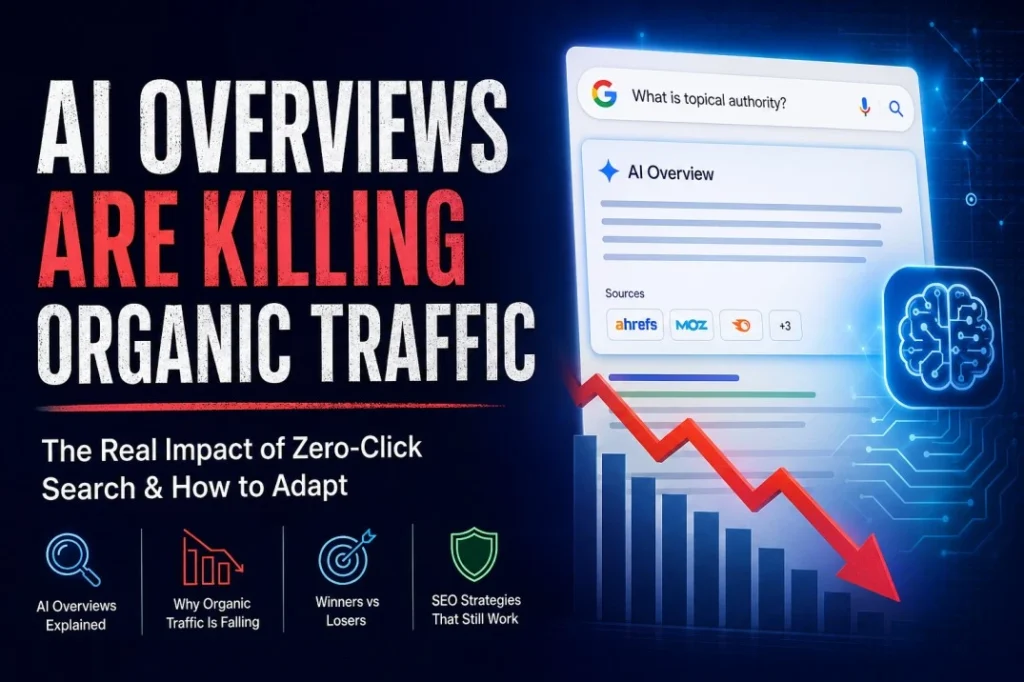
Search itself is starting to feel different. Users expect instant clarity. Summaries, direct answers, context. The old list of blue links feels almost outdated now.
For publishers, this brings a couple of hard truths:
Content needs structure so machines can read it cleanly
Value has to show up quickly, not halfway down the page
Clear headings, logical flow, and tight explanations matter more than many people admit. They influence rankings, even if they are never officially listed as ranking factors.
AI Detection and the Quiet Quality Filter
AI content detection is often misunderstood. It is not hunting for tools. It is hunting for emptiness. Patterns that feel copied, flat, or soulless get flagged and quietly pushed aside.
If a page feels generic or overly templated, it struggles. It does not matter who or what wrote it.
This opens the door for publishers willing to write with intent. Real examples. Clear opinions. Slight imperfections that sound human. Writing that feels like someone actually thought about the topic before hitting publish.
That kind of tone is turning into an advantage, not a risk.
AI Is Reaching Far Beyond Marketing
In 2025, AI has stepped well past blog posts and ad copy. Businesses are weaving it into their core operations:
Support systems that understand intent, not just commands
Forecasting tools that predict demand before shortages hit
Security models that catch fraud patterns early
Personalized experiences inside SaaS platforms
These are not experiments anymore. They are infrastructure. AI has become a business layer, not a shiny add-on.
What This Means for IT and AI News Platforms
For publishers, the signal is pretty clear.
Speed helps. Substance wins.
Readers want explanations they can actually follow. Not jargon. Not inflated promises. They want to know what changed, why it matters, and who it affects.
Ten shallow updates rarely beat one solid article that connects the dots. Depth builds trust. Trust builds return readers.
Content Formats That Are Working Right Now
Some approaches are consistently performing better than others:
- Clear explainers that unpack complex updates
- Opinion-driven analysis that stays balanced
- Stories built around real use cases, not tool promotion
- Coverage focused on how AI affects specific industries
Search engines seem to favor content that teaches first and sells never.
Looking Ahead
AI will keep evolving. That part is obvious. One idea, though, is starting to feel permanent. Usefulness wins.
Websites that help people understand what is happening, and why it matters, will stay visible even as algorithms shift again and again.

Mandeep Wraich
Digital Marketing Specialist and Content Strategist focused on data-driven growth, SEO, and performance-led content. At AIPulseInsights.com, articles explore how AI, analytics, and emerging digital trends influence marketing strategies, brand visibility, and business decision-making. With a strong foundation in content analysis, paid media, and strategic storytelling, the work shared on this platform converts complex industry shifts into practical insights that support marketers and businesses in achieving consistent, measurable growth. The goal is to simplify innovation and empower readers to stay ahead in a rapidly changing digital landscape.